What Connected Devices Are and Why They Matter
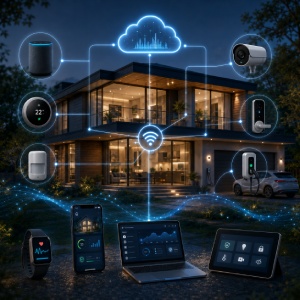
Most electronics just reply to an input. Like a lamp turns on, a microwave heats food. But connected devices do something else, they collect information, send it off somewhere, and often do something based on it without you lifting a finger at all.
At the center of this is the Internet of Things, or IoT: a wide umbrella of physical objects fitted with sensors and software that chat over networks such as Wi-Fi, Bluetooth, or cellular. Your fitness tracker logging heart rate data all day long is a basic example. That information gets pushed out, saved, and interpreted , sometimes described as telemetry, so the device can bring out useful findings inside an app.
What actually makes it genuinely valuable is the ecosystem effect. One smart thermostat is decent on its own. But add occupancy sensors, a weather feed and your phone location, and it begins guessing when you will be home, and then adjusts the temperature automatically. The payoff compounds when devices exchange their data with one another.
Software updates also matter in this story. Unlike a traditional toaster, a connected gadget can change after you buy it, getting additional functions or repairing issues through firmware updates that are pushed remotely, without you doing much of anything.
Common Categories of Connected Devices in the Home
Connected devices now help with lots of everyday things, from health tracking and home security, to everyday comfort, entertainment, and energy use. Each category does a different job though, and when you put them together they build a more responsive home space where technology can step in for regular tasks and your personal preferences.
Wearables
Smartwatches and fitness bands sit closest to the body, which is exactly what makes them useful. Devices like the Apple Watch or Fitbit Charge track heart rate, steps, sleep patterns, and even blood oxygen levels, then sync that data to a companion app on your phone. The device essentially turns your daily movement into readable health information.
Smart Kitchen Appliances
Appliances like the June Oven or smart coffee makers connect via Wi-Fi to let you control cooking settings remotely. Some models recognize what food you've placed inside and suggest cook times automatically. Usage data gets shared back to the app to refine recommendations over time.
Home Entertainment
Smart TVs from brands like Samsung or LG stream content directly through built-in apps and sync with accounts like Netflix or Spotify. They also share viewing habits with platform providers to personalize recommendations.
Connected Fitness Devices
Peloton bikes and smart treadmills track workout duration, output, and heart rate, feeding performance data into a personal fitness profile.
Smart Security Systems
Cameras like Ring or Nest send motion-triggered alerts directly to your phone and store short video clips in the cloud.
How Connected Devices Support Everyday Routines
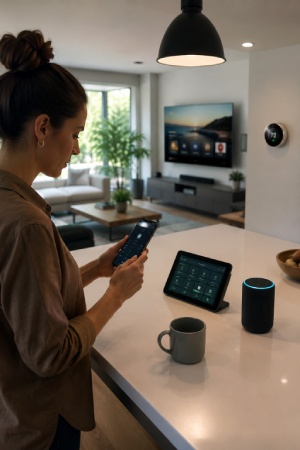
Think about a typical morning. Your smartwatch detects you've hit your sleep target and syncs that data to a health app before you've even reached for your phone. By the time you're in the kitchen, a voice command dims the lights and starts your playlist through a connected speaker. These small moments add up.
Practical Use Cases at Home
Phone-controlled lighting lets you set schedules or adjust brightness without touching a switch. Smart TVs learn your viewing habits and surface recommendations without you hunting through menus. Fitness trackers log steps, heart rate, and calories, then push goal reminders directly to your wrist.
When devices share the same ecosystem, say an iPhone paired with HomeKit-compatible products, a single app can manage lights, locks, and speakers together. That kind of integration is where the real convenience shows up.
Security and Privacy Basics
Keeping devices secure doesn't require much technical effort. Use a strong, unique password for each device account. Enable automatic software updates so known vulnerabilities get patched promptly. Stick with established brands that publish clear privacy policies and offer ongoing product support. Those three habits cover most of the risk.
Connected Devices Are Becoming More Seamless Every Year
At their core, these gadgets are practical tools , they pull in data, share it across apps and platforms , and then use it to make everyday tasks a bit easier or more automatic. A thermostat that learns your routine, a watch that flags an irregular heartbeat , a fridge that reminds you to restock milk, none of these actually need technical expertise to operate , just a readiness to let devices cooperate.
The direction is clearly toward homes where different brands talk to each other without hiccups , where routines run without needing your hands on the controls, and where technology starts anticipating needs rather than only reacting. This predictive automation is already showing up in early smart home setups and it will keep getting sharper. Reaching that stage comfortably involves keeping up with basic habits, like updating firmware, using strong passwords, and leaning on reputable manufacturers, but those are small requests for what really amounts to a more responsive daily life.